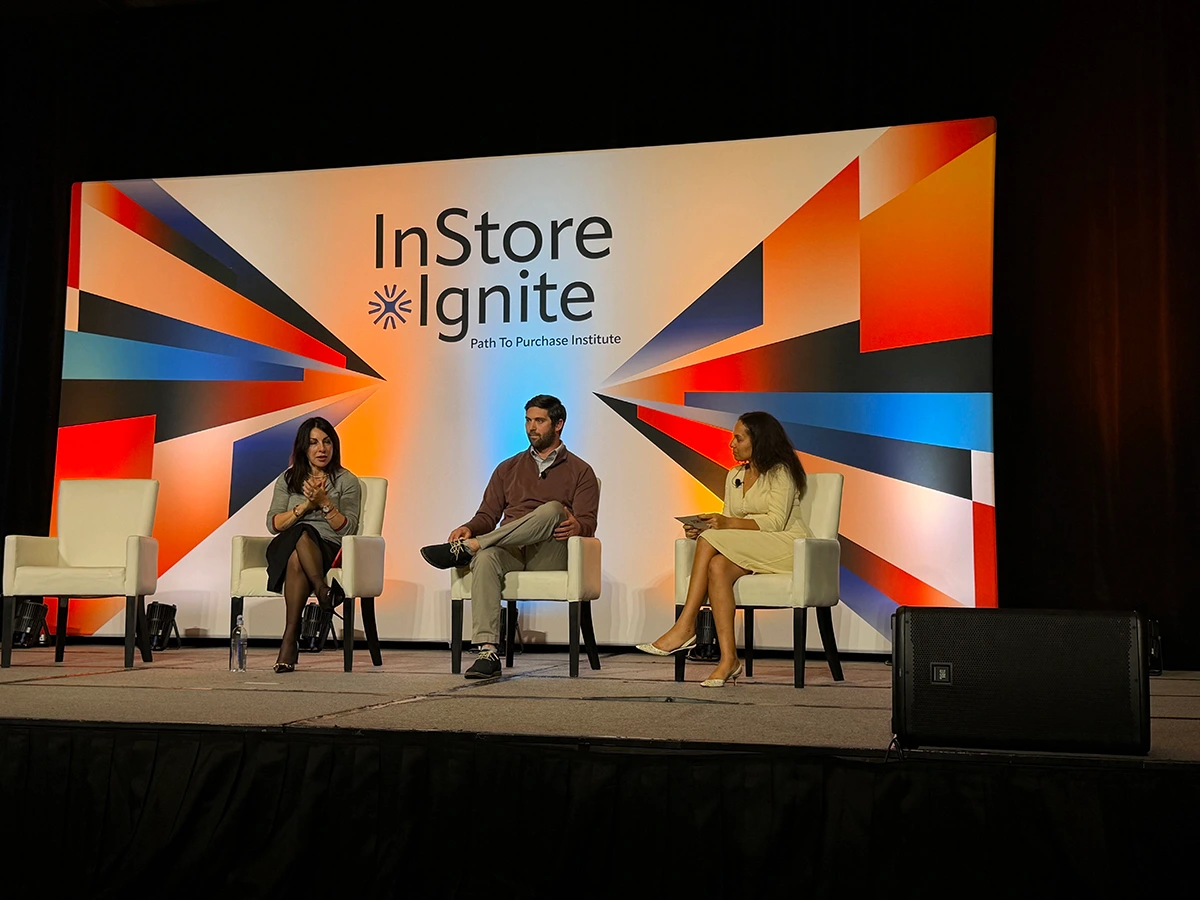
From November 10 to 12, the PHG team attended the 2026 Path to Purchase InStore Ignite Conference in Chicago. This year, PHG identified four themes that stood out as relevant to how we think about and plan our retail and shopper marketing strategies and programs.
-
Omnichannel Is No Longer Optional. Connected Experiences Are the Future of Shopper Marketing.
Shoppers don’t distinguish between channels, or the touchpoints brands use to reach them. From social media and digital search to e-commerce and in-store experiences, each interaction plays a role in shaping purchase decisions. Brands need to move beyond siloed channel strategies and create cohesive experiences that connect discovery, consideration and conversion.
- Think beyond individual channels: Digital influences consideration, while the physical store remains central to conversion and fulfillment.
- Create a seamless journey: Online and offline touchpoints should work together so shoppers experience one connected brand journey.
- Start with the shopper, not the channel: Identify the objective and shopper needs first, then determine which channels and touchpoints will best drive results.
- Break down internal silos: Align media, shopper marketing, e-commerce, sales and digital teams around shared objectives, insights and measurements.
- Connect investment to execution: Ensure the experience shoppers encounter digitally carries through to the physical store and point of purchase.
WHAT THIS MEANS FOR BRANDS: Shoppers don’t experience marketing channels independently and neither should brands. The opportunity is to build more connected, shopper-centric strategies that deliver a consistent experience across every touchpoint and influence decisions throughout the path to purchase.
-
The In-Store Moment Is a Critical Opportunity To Influence Purchase
Despite the growth of digital commerce and retail media, the physical shelf should remain a critical focus for brands. Shoppers make decisions quickly, often reconsidering their choices right up until the moment of purchase. Visibility, availability, merchandising, promotions and relevant messaging all play a role.
- Win the decision window: Shelf decisions can happen in as little as 4-12 seconds.
- Expand beyond the shelf: Secondary placements and cross-merchandising reach shoppers outside their typical purchase patterns.
- Connect media to execution: Retail media investments must be supported by strong in-store execution to close the loop.
WHAT THIS MEANS FOR BRANDS: Winning attention is only half the battle. Brands need to own the moments that influence the final purchase decision through strategic placement, relevant occasion-based messaging and impactful in-store execution.
-
Understanding Shopper Needs and Occasions Is the Foundation of Growth
Across categories, successful brands are finding opportunities by better understanding how, when and why shoppers shop. Growth isn’t always about competing on price or capturing existing demand. It’s about identifying unmet needs, influencing new occasions and giving shoppers compelling reasons to reconsider a brand.
- Understand evolving shopping behaviors: Shoppers are increasingly trading across retail formats rather than simply trading down.
- Unlock new opportunities: Occasion-based insights and basket analyses can uncover cross-merchandising opportunities and incremental purchases.
- Connect to shopper priorities: Product benefits need to align with evolving needs around nutrition, protein, convenience and value.
- Stay culturally relevant: Timely content and the ability to respond quickly to emerging trends are increasingly important.
- Drive reconsideration: Winning back lost consumption occasions can be just as important as generating awareness.
WHAT THIS MEANS FOR BRANDS: Growth starts with understanding the shopper. The biggest opportunities often come from identifying unmet needs, creating new consumption occasions and connecting products to what shoppers’ value most.
-
AI and Personalization Are Redefining the Shopping Experience
Shoppers have become accustomed to highly personalized, convenient and frictionless digital experiences. From tailored product recommendations and same-day delivery to AI-powered assistants that provide immediate answers, expectations for how shoppers discover, evaluate and purchase products are changing. AI and data create opportunities for brands to deliver more relevant, curated and seamless shopping experiences.
- Make product data machine-readable and trustworthy: When someone prompts an AI assistant, the model draws on product-page information. Accurate, complete, structured content determines whether and how a product is surfaced.
- Prepare for AI assistants working alongside retailer experiences: Retailers’ digital experiences will increasingly work with AI assistants, so brands need the right product data available to earn a place in the basket.
- Shopping agents may seek value, not just prices: Retailers’ loyalty programs should be seen as opportunities to communicate value to shopping agents — to read alongside product information to offer the shopper the best value item, not just the lowest priced.
WHAT THIS MEANS FOR BRANDS: Shoppers increasingly expect brands to anticipate their needs, simplify their decisions and make shopping effortless. The opportunity is to use AI not just to improve targeting but also to create more personalized experiences that connect shoppers with the right products, information and offers at the right moments.
THE PHG POV
The path to purchase is no longer a series of separate channels. It is one connected journey, and brands need to treat it as a tighter, more intertwined experience than ever before. From digital discovery and AI assistants to the shelf and checkout, shoppers move fluidly between touchpoints, and any of them can decide the purchase. This means moving beyond isolated channel tactics and treating shopper marketing, trade, retail media and digital couponing as one connected, insight-driven system.
Here’s what that means for how we plan, execute and measure shopper marketing:
- Start with the shopper and the occasion. Understand what shoppers are trying to solve, when they’re deciding and what could keep them from buying. Use those insights to identify new occasions for the brand, and give shopper marketing, trade and retail media a shared brief.
- Connect the moments that decide the purchase. Plan retail media, in-store execution and digital offers together. A meal idea featured in retail media should be easy to recognize at shelf, and any offer tied to it should be easy to find and redeem at checkout.
- Make products easy to discover and purchase. Treat retailer product pages as part of the shopper journey. Keep product details, attributes and use occasions accurate, complete and machine-readable so shoppers and AI assistants can find, compare and add the right products to a basket.
- Measure what the connected plan adds to the business. Use retailer data and test-and-control measurement where possible to see whether the combined effort brings in new households, drives repeat purchases or generates incremental sales. Use those results to decide where the next dollar will have the most impact.